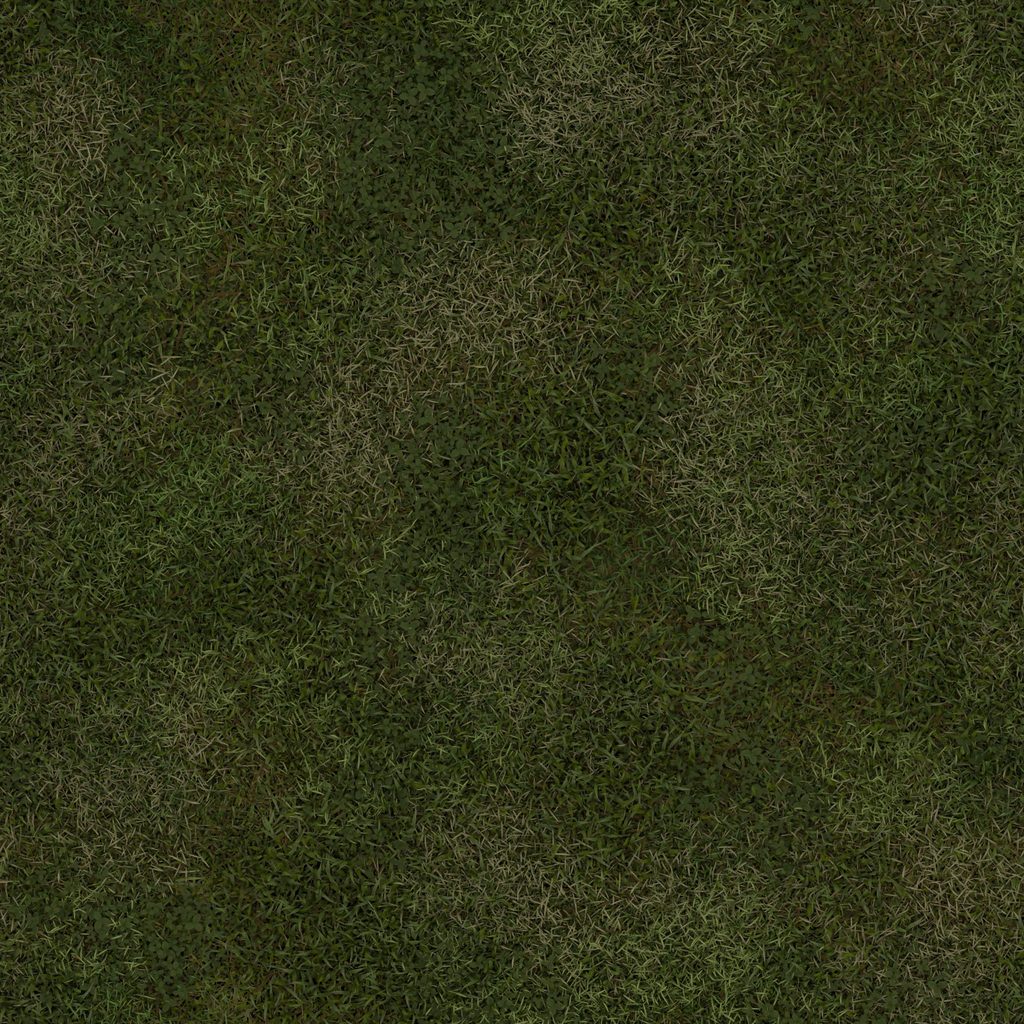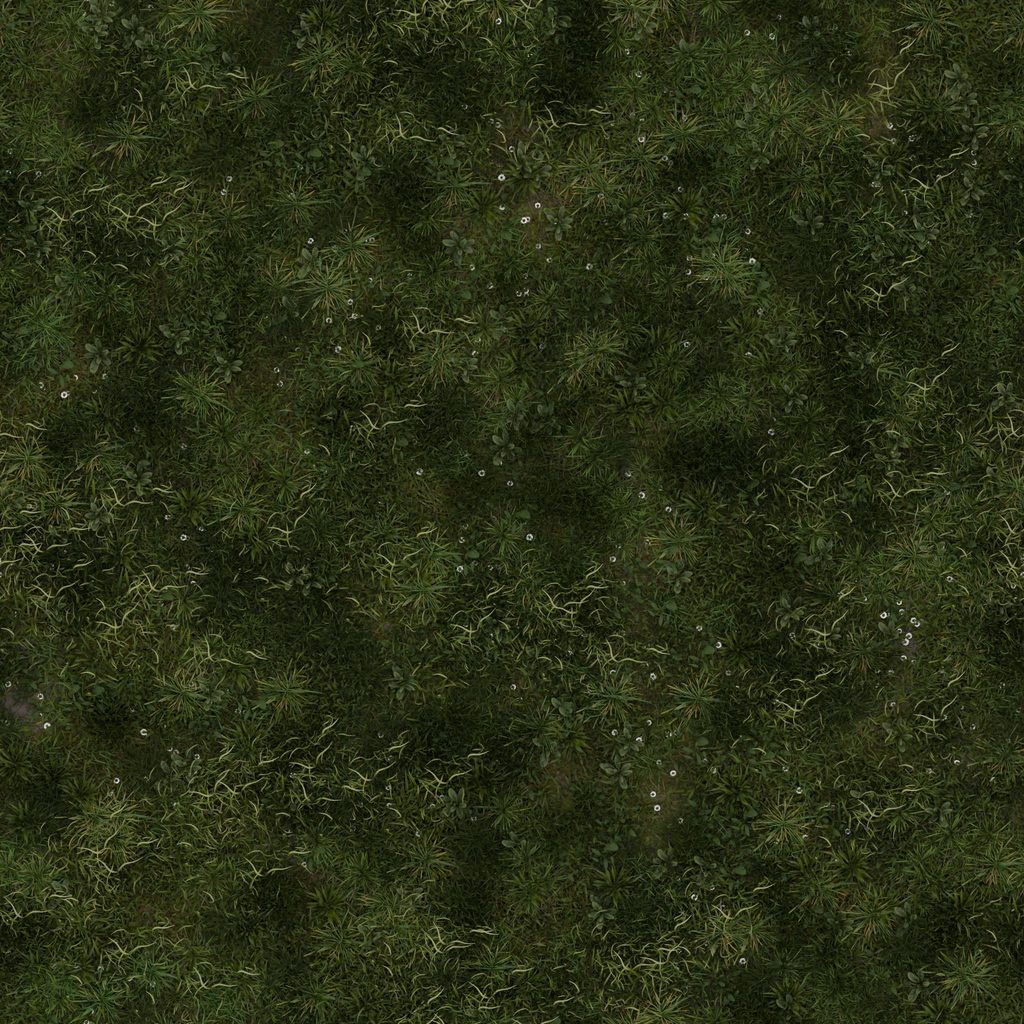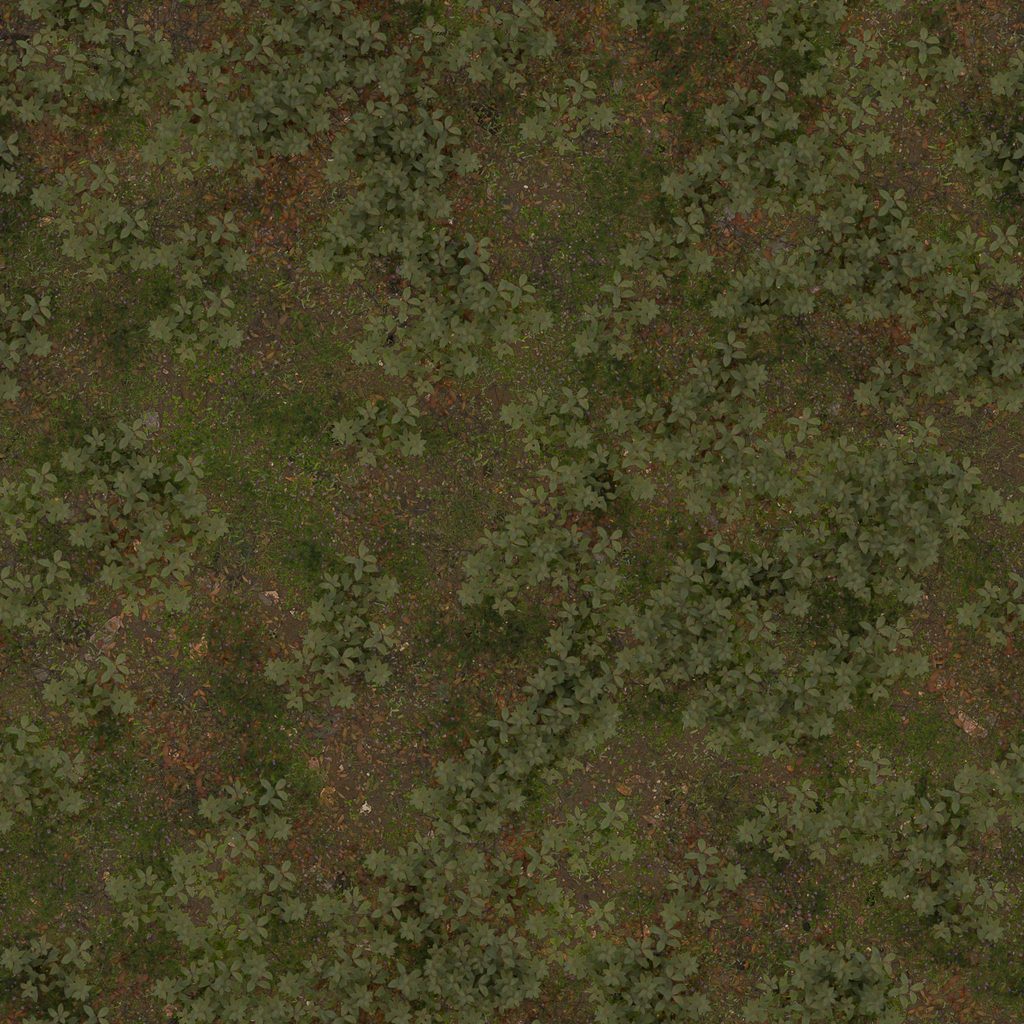

Carbon canyons & San Juan
- Status: Work in progress
- 75km of roads, open loops (no dead ends, all roads connected)
- Demo and full versions
- Low spec and High spec versions
- Will be available on HSC.gg servers: EU, NA, SEA, OCE
- Download link to be posted here later. Same for paid, full version.
2026/08/21 – Beginning, “drawing board”
Up until relatively recently, I was working mostly on FiveM releases. Race tracks, terrains and so on. But I always wanted to start modding Assetto Corsa too. About a month ago, it was a time for a new project and since FiveM releases have been my main income for years now, that’s how this project also started. But I soon realized this reimagination of Carbon canyons has so much potential for AC, I couldn’t let it go. So, while being mainly developed for FiveM and its PR infrastructure, I’ll also decided to create AC variant of this map. Even if that will mean more work to be done, I’m very excited to see the final result in upcoming weeks!
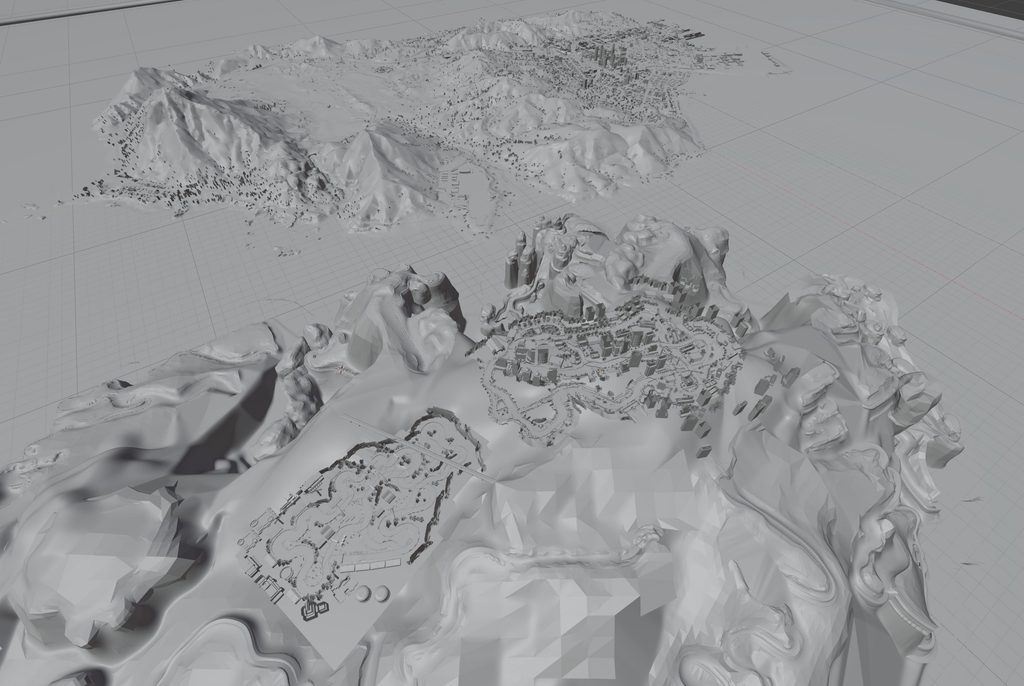
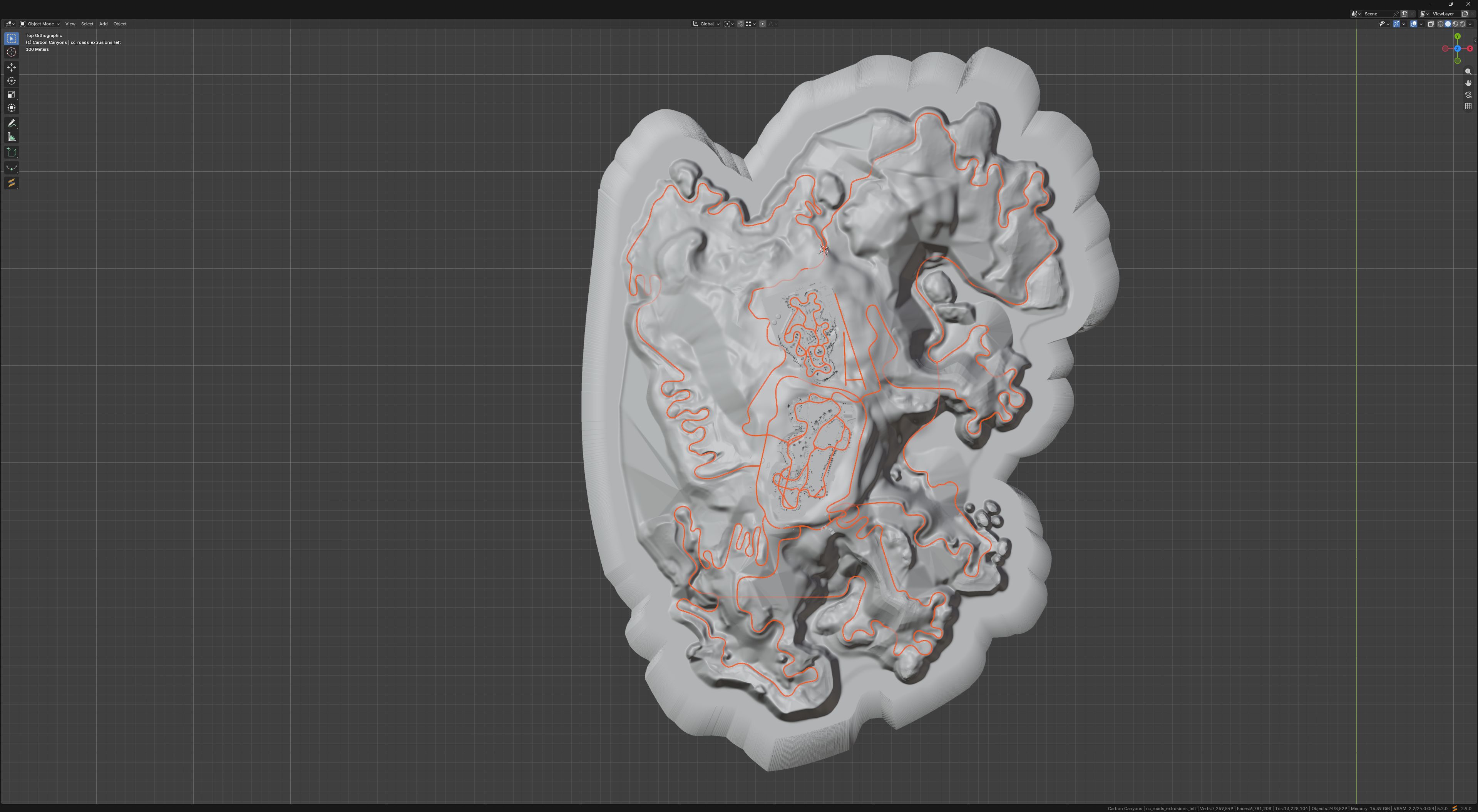
While I have worked on my modelling tools in Blender for several years now, creating terrain for this project was more difficult than I imagined. At first, I approached this from relatively realistic angle, trying to come up with similar looking terrain generated in Gaea, but due to the facts that I am not yet well experienced in the software and the original map being very stylized, I decided to give up on generating the terrain “the right way”. And instead, I came up with almost 1:1 terrain layout, which used the original as a fairly accurate guidance for a new terrain layer that was raycasted over. With some adjustments here and there, you’ll see very familiar shapes and scenery!
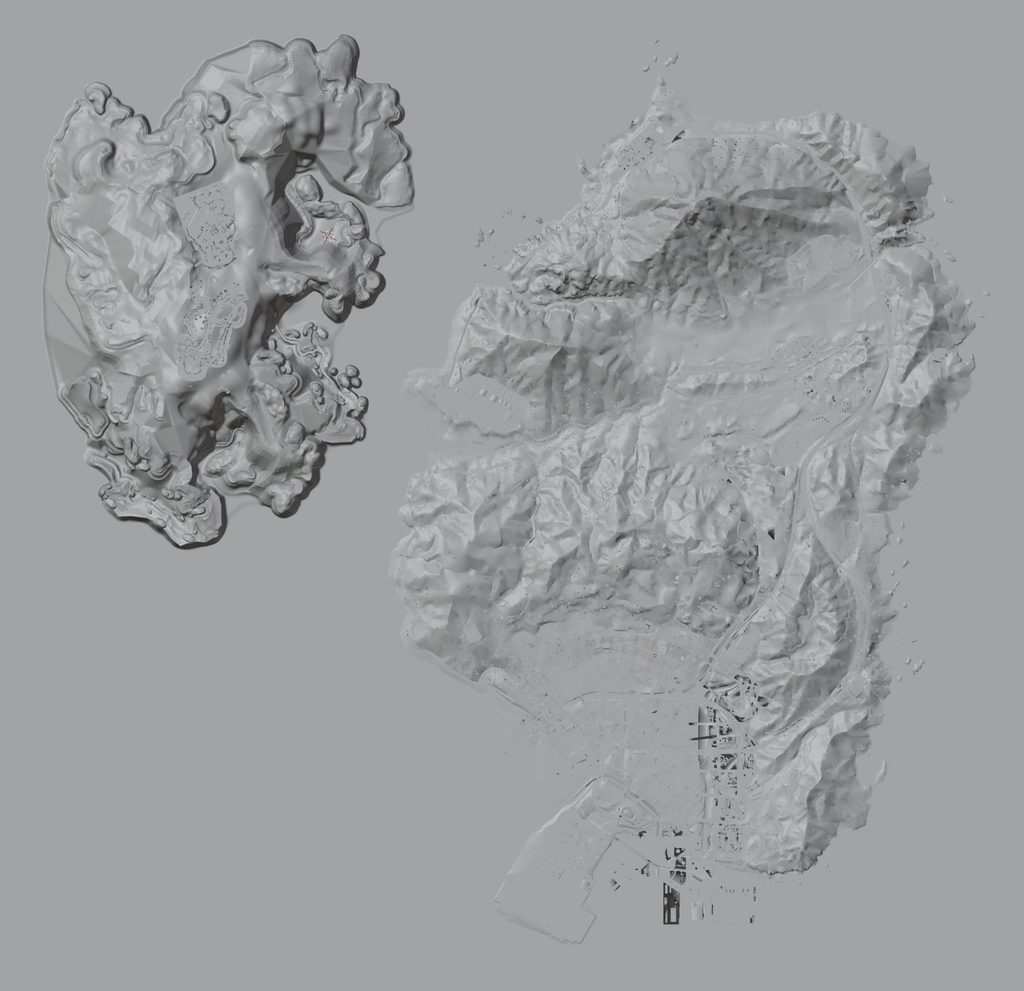
Creating my first AC map will also mean I’ll have to start using models and textures that do not belong to Rockstar. Creating textures was on my mind for some time, but was never a priority. That changed with this project. I also decided to completely rework the way I construct roads, because until previously, I wasn’t capable of generating complex roads nor intersections. Being able to do both now, I also needed new road textures and to come up with the most efficient way to use them. I want my maps to look great, but also stay reasonably optimized.
While older Need for Speed games used fairly simple road system, it looked great for racing games of that time. Especially considering they had to run on PS2. But times changed, hardware improved dramatically and such approach to road systems wouldn’t hold up well today. Even 15 years old GTA V already had more complex looking roads than average racing game today. I’m not talking about size of textures, but their complexity and great use.
2026/11/19 – Custom textures, Quixel and fighting geometry nodes
It has been way longer than I expected. But I suppose that’s how these things usually work. I once heard a golden game dev quote “Think of a reasonable timeline. Now, double it. Now, double that. And you have actual timeline of your project.” It pains me to admit that this is very true.
For several years, I’ve been experimenting day and night on various procedural techniques for terrain, rock and urban generation. Considering I had no previous experience with any complex modelling, I knew it was a massive task. But, let’s say, I had nothing better to do. This is what draw me in at the and of the day. Something I can loose myself in and make it useful at the end of the day. As I said in the past, learning how to make freeroam maps for Assetto Corsa is not the end goal for me. I want to rotate my focus around several games, all of whom have vehicles as their main gameplay factor. I started with maps for GTA V and it has been incredible learning experience. That game is made for both driving and in person exploration of a reasonably large city environment. While you have beautiful roads and scenery in many modern racing games, the level of detail is present only in the immediate area of drivable roads. While GTA V level design puts importance on every square meter of playable land, from every angle. This attention to detail is crucial to my understanding of how to best convert my real life references and imagination into a game ready environment of my choice.
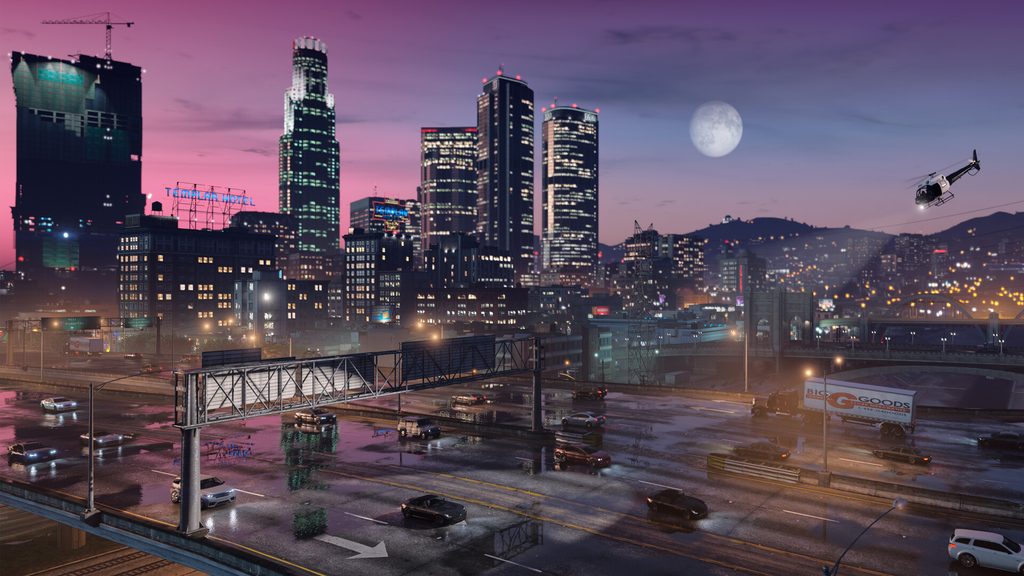
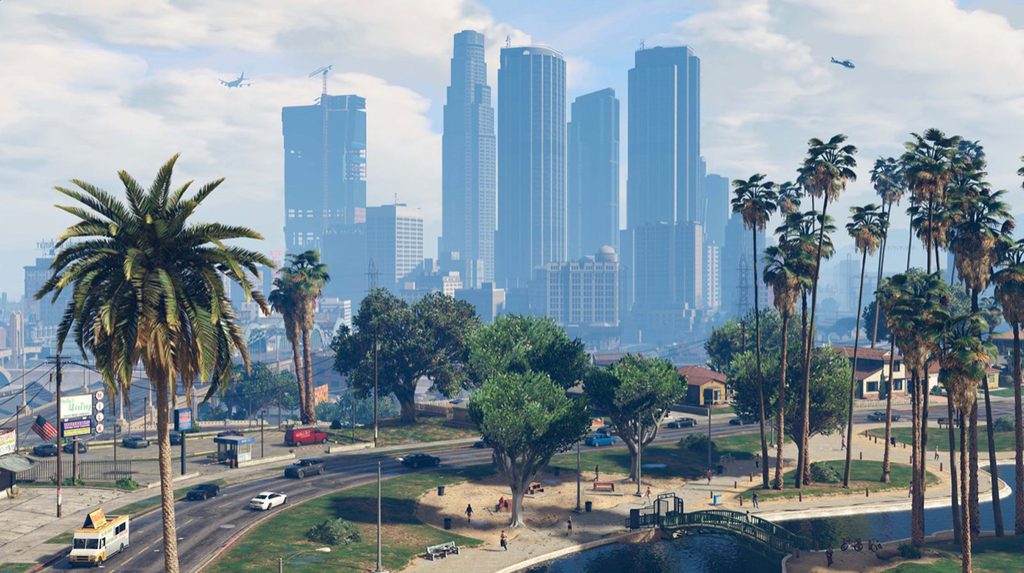
GTA V images
Take textures for an example. The amount of effort put into textures for GTA V is stunning even today. And their use is excellent for the most part. Unlike most game engine level editors, RAGE relies on heavy use of 3D decals instead of virtual textures. Often in combination with geometrical deformation of underlying mesh. You can fake realism with parallax textures, but feel the road dent only when it’s actually there. And making such physical deformations is mostly out of question for any proprietary road generation in other engines. Not for me though, as that’s one of the main reasons I work on game engine agnostic toolset in Blender. I can do literally whatever I want and export the result to any game that supports user based modifications.
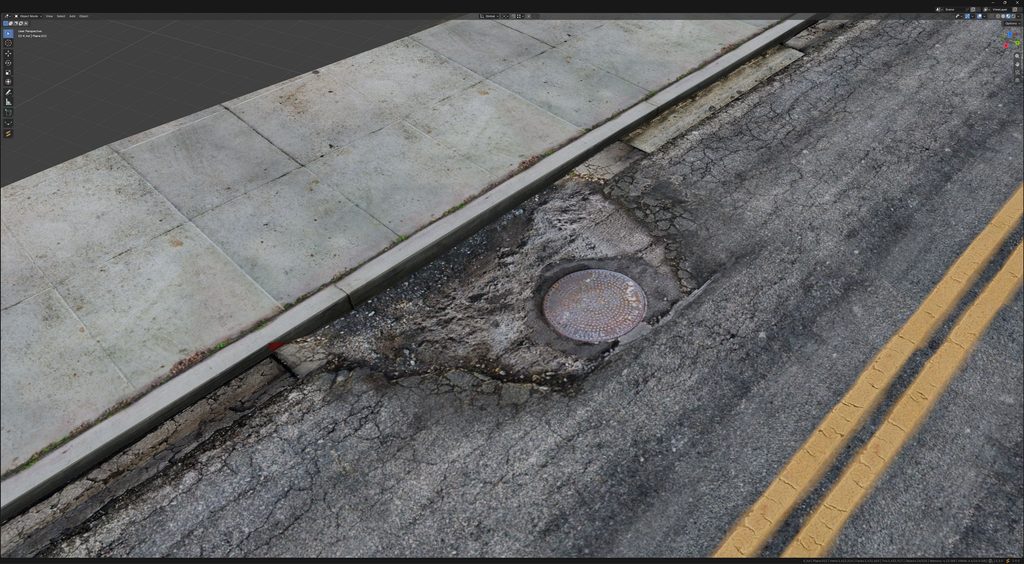
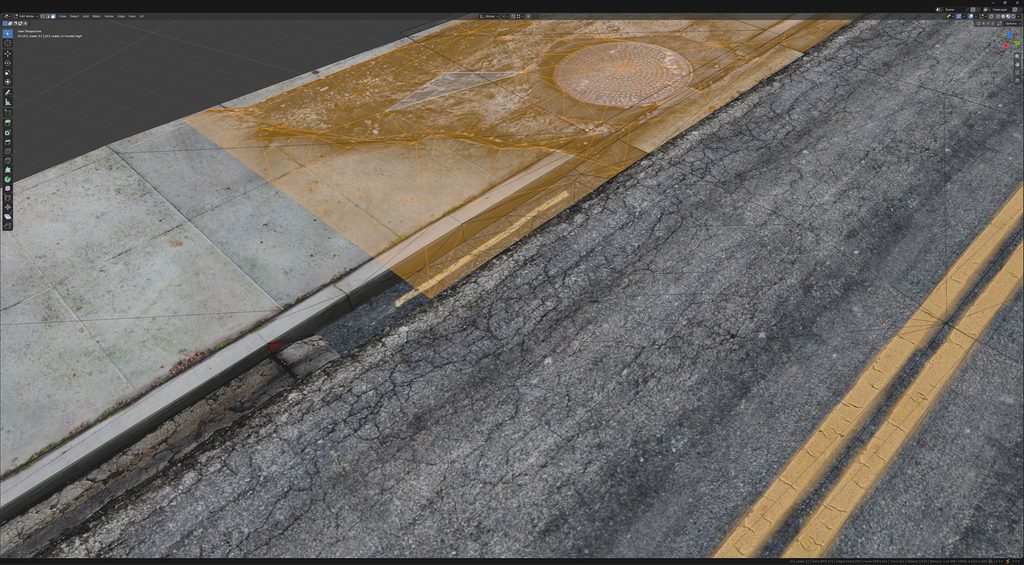
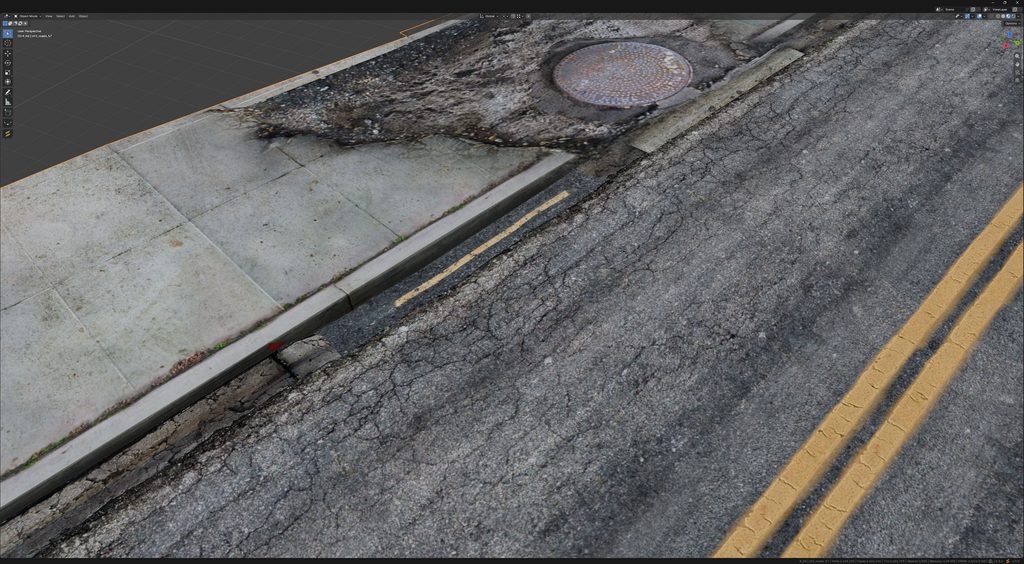
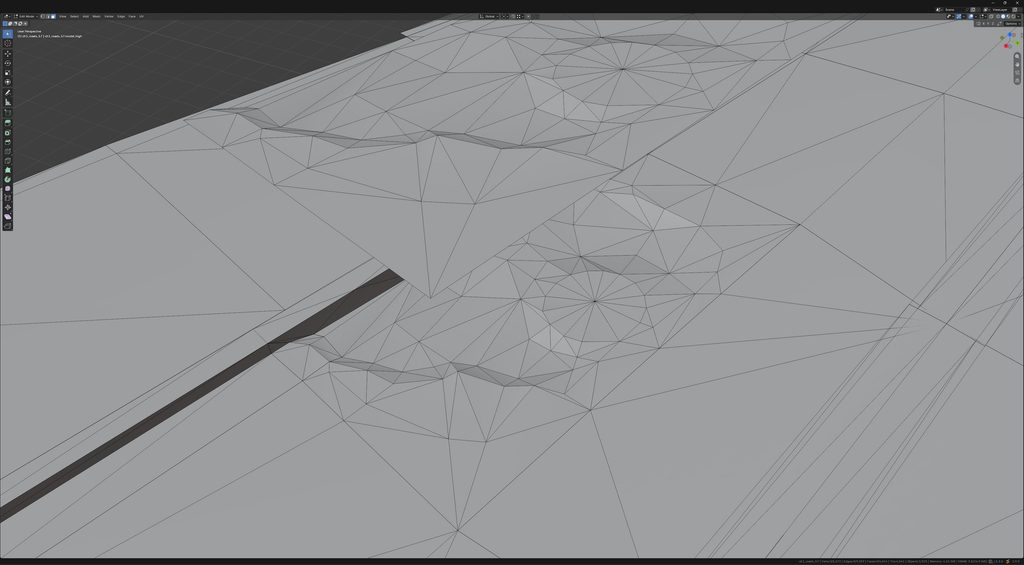
Example of 3D decal used in GTA V
I had an idea about how to approach procedural road generation before making Mellow Spirits for FiveM, but the underlying node tree broke down the moment I wanted to expand it with ability to create intersections with a clean mesh, under any angle and situation. Before I began the work on Carbon Canyons, I completely rewrote fundamentals for procedural road generation. This time with strong focus on creating not just intersections, but also highway ramps. You might think “that’s just another intersection though” and in a way, you’d be correct. However, the reality in this context is much more complicated. When you take into account roads have to be able to scale not just lenght, but also width – independently of each other – and also other properties, such as textures, “merging priority”, metadata for generating additional stripes, signs and other road related objects after everything’s in its desired place. Everything’s connected and I play a very long game here, pun intended.
Here’s a practical example I ran into yesterday. While I was testing tunnel generation, making it change its width based on the road, runways/road side and potential intersections/enter-exit ramps (yes, inside a tunnel), I noticed a wall that looked pretty wonky. Because the tunnel wall is generated by either road’s ends or a wider road side (again, depends on the type of the a road the tunnel in accompanying), it’s very important the road mesh would be flawless. And in this case, it wasn’t. Road extrusion made for runway zone (don’t look for realism in Carbon Canyons) was imperfect and created tension in a mesh which was supposed to be evenly distributed. Flawed road extrusion created flawed tunnel wall. Meaning it was not my tunnel node tree that was to blame. It was the road generation that had to be fixed first.
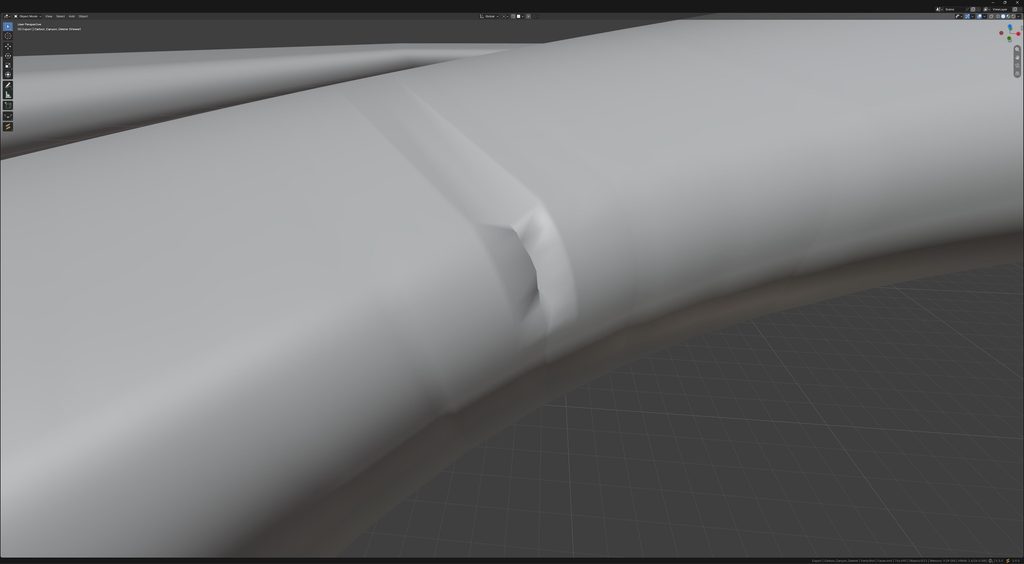
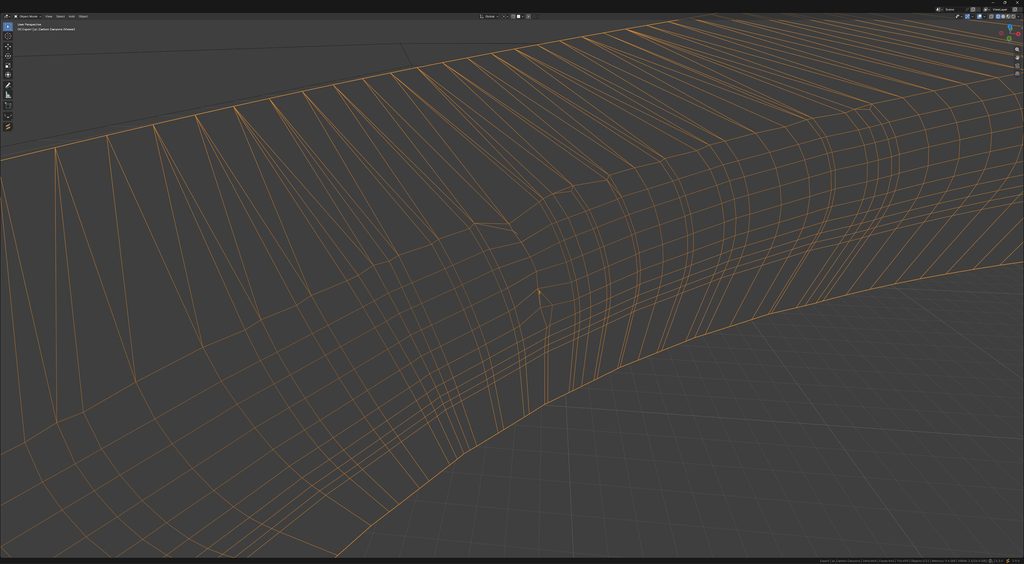
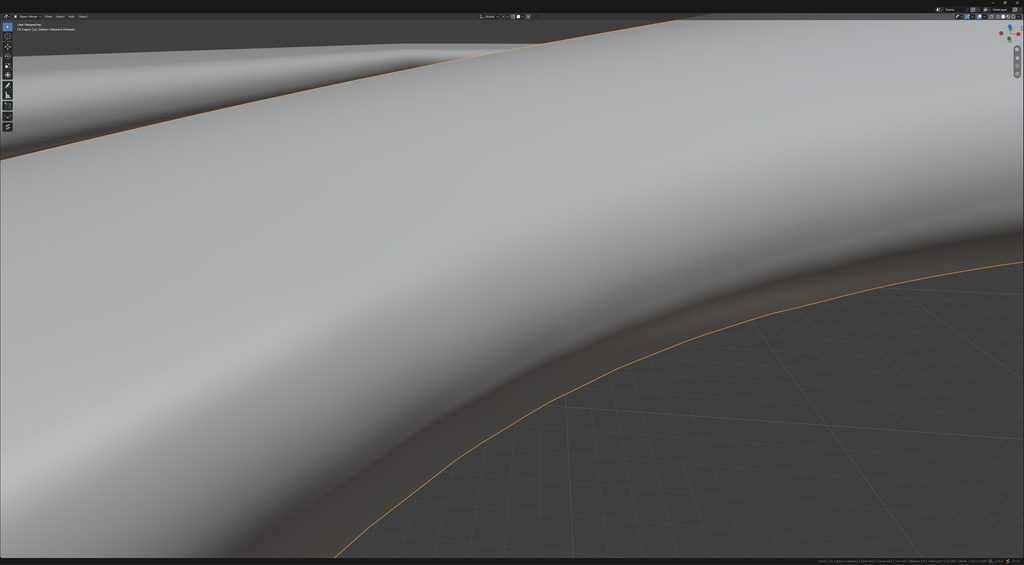
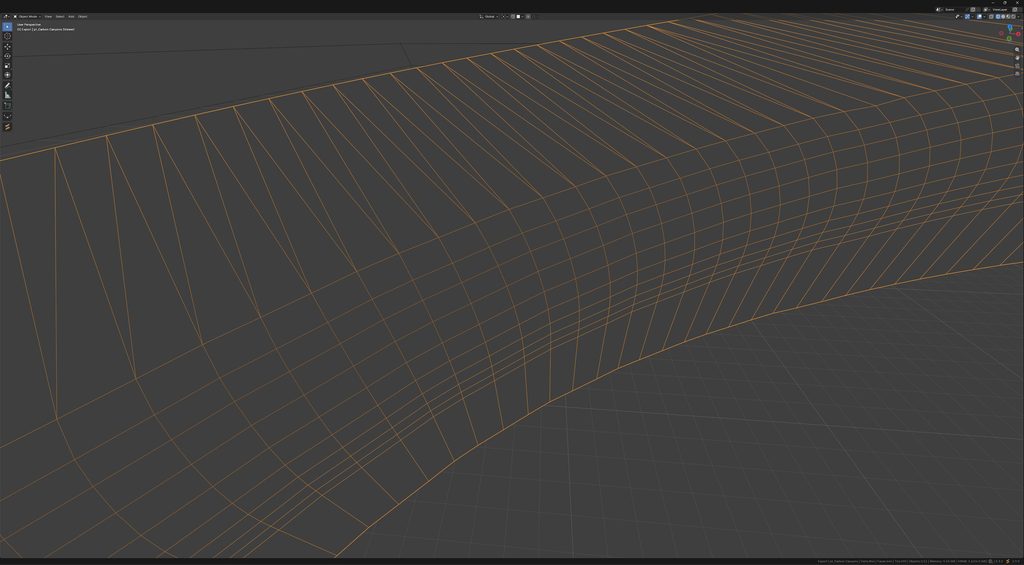
Perfect and predictable topology is a must.
The upsides of such sophisticated mesh generation are massive. Less manual labor I’ll need, the more and faster I can create. The drawback is that creating these procedural fundamentals takes a lot of time and energy. Luckily for me, all major parts I’ve set to create and already there. I started with terrain generation, rock simulation, attributes based object placements and also 3D decals and, finally, complete road network. While on current images, it might not really look like much yet, it will come. I just need to make sure no major changes to the core generation are needed anymore. After that, making variations and new acompanying generation systems will be significantly easier.
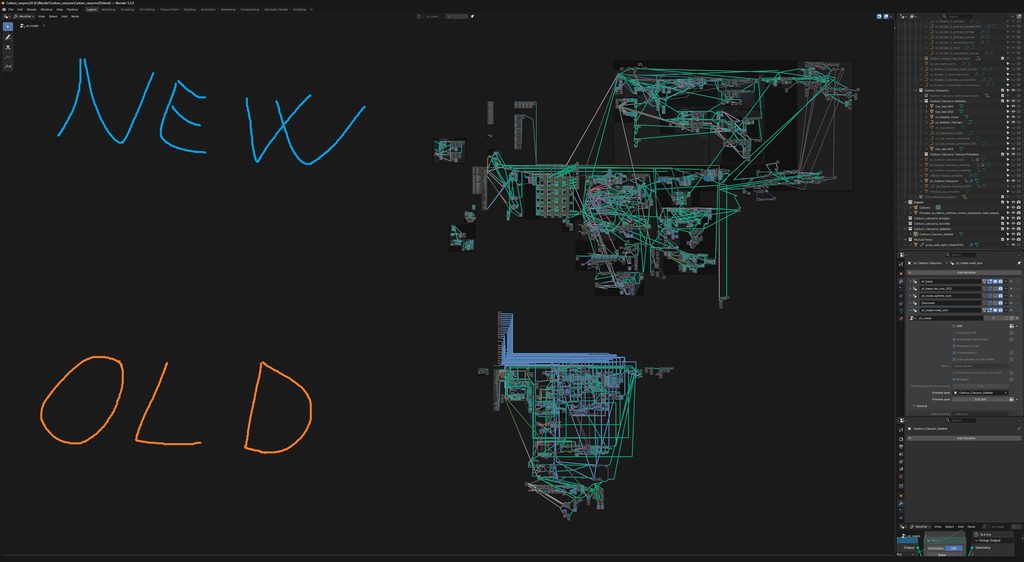
Road generation node tree comparison. Excuse the mess, it’s WIP.
Back to texturing. As with everything, I was overcomfident in making “some textures and be done with it”. A week became almost two months. That was for two reasons. First being the fact that despite me wanted to cut some corners, I decided that making my own road textures (instead of donwloading some bundle) will be the most logical step forward, due to flexibility and complete creative freedom. Especially because I decided not to replicate GTA V roads, but instead to create my own hybrid solution in a combination with how roads were built in older Need for Speed games. Meaning, even if I wanted to use GTA V textures, they “wouldn’t fit”. At least not they way I’d want them to. I created node tree for road textures that allows me to make various combinations of road textures, stripes, road lights (both for parallax and reflexivity effect) and even smaller, cosmetic damage/cracks etc. I have to say, I’ve never done physically based rendering textures (PBR) before. At most, I downloaded some free texture and put it through Materialize app, “to spit some height and normal maps”. This time, I put considerably more effort into it. And while the result is satisfying for me for now, the best thing is that any future corrections, tweaks and additions will be extremely easy to make. I mentioned before the importance of 3D decals in my workflow, but that doesn’t mean I’ll forget how easy for GPU compute is to simply use complex and detailed texture instead. And while some roads in projects such as Canyon Roads will be mostly long and without any major surface changes, making a detailed road texture will come a long way and will pay off much more with future, more complex projects.
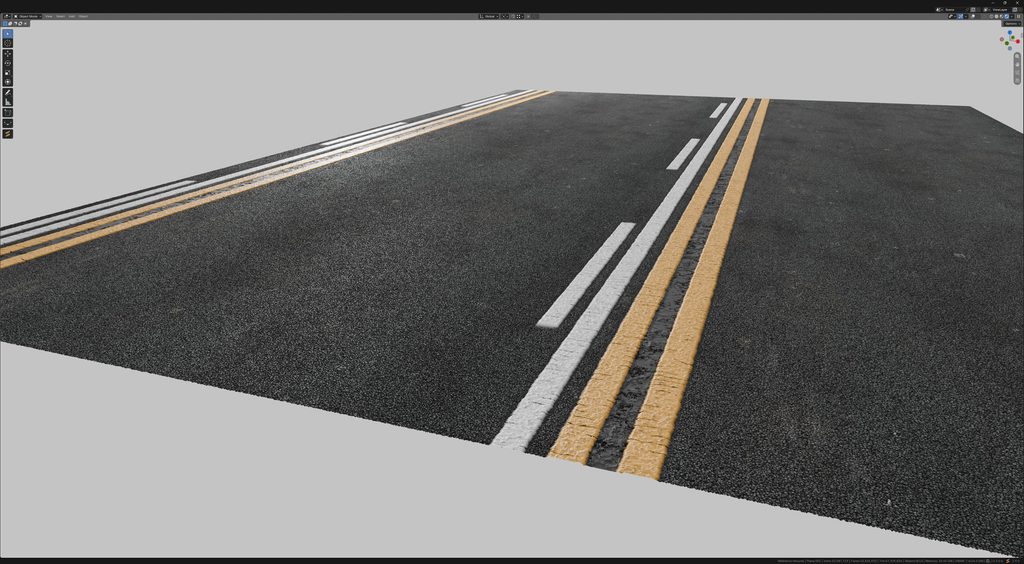
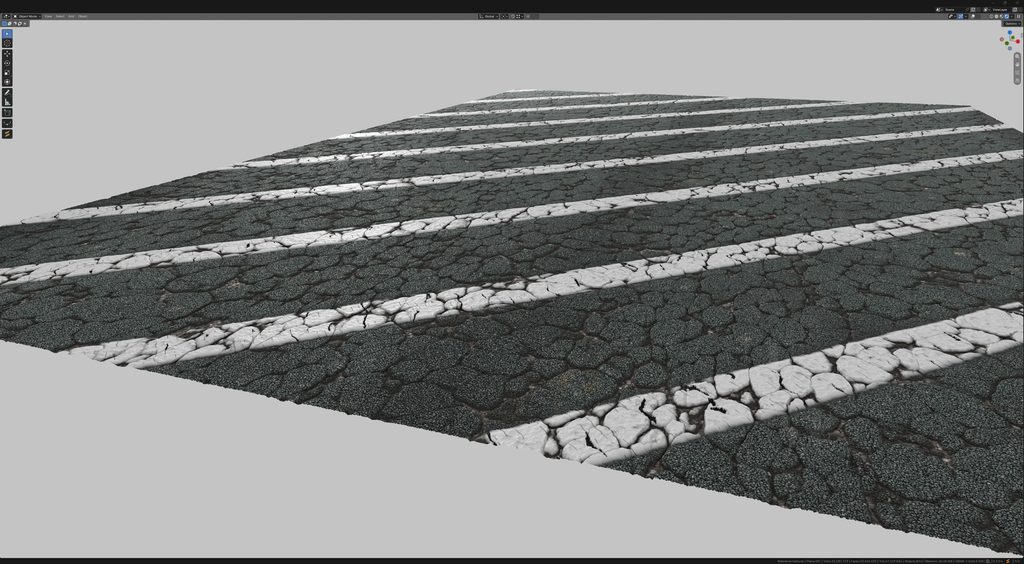
Some of my own road textures made in Blender.
I also took another look into Quixel textures, as I’ve heard they’re for free now. I spent about a week by downloading the ones I was most interested in, sorting them on my PC and converting them into DDS format. This alone is a huge win, because while I’m getting considerably better and faster at making nice looking textures myself, I do no particularly enjoy it. And any AI solutions I tried so far didn’t meet my standards. I ended up with just over 1Tb of the storage less after all this was done. Still, it was worth it. I used AI to write me a CLI code for DDS conversion and resolution change though. That was a huge time saver.
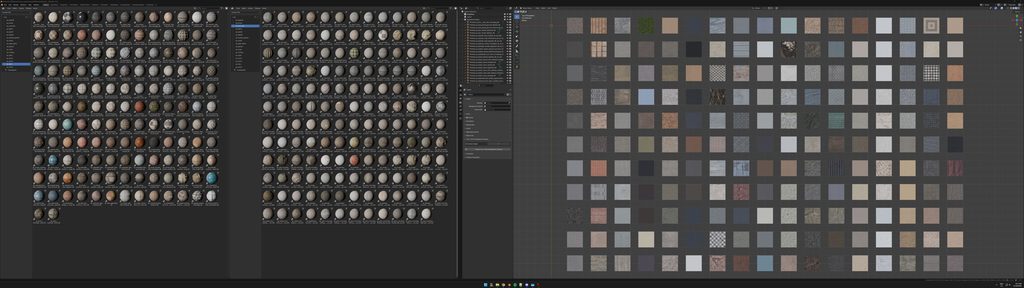
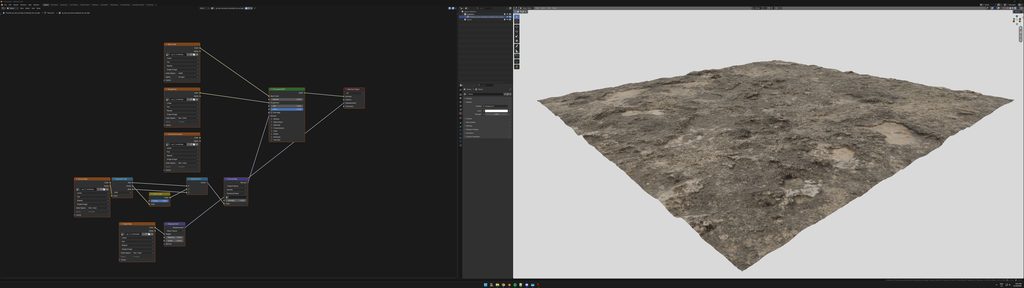
Quixel textures are also a great asset to work with. So I don’t have to do every texture myself.
To close this devlog entry, I’m relieved Carbon Canyons project will see the light of day soon, even in its initial version, which will not include San Juan just yet. It took me much more time to fix my geometry nodes and make textures I’d be satified with. I hope that delivery of just Carbon Canyons first will spark joy in many driving enthusiasts like myself. And before locking in, I want community feedback on what to improve, change and fix.
Now, go touch my grass textures or play GTA 6 until then. Up to you. I expect the initial release in about a week or so. Fingers crossed.